Trending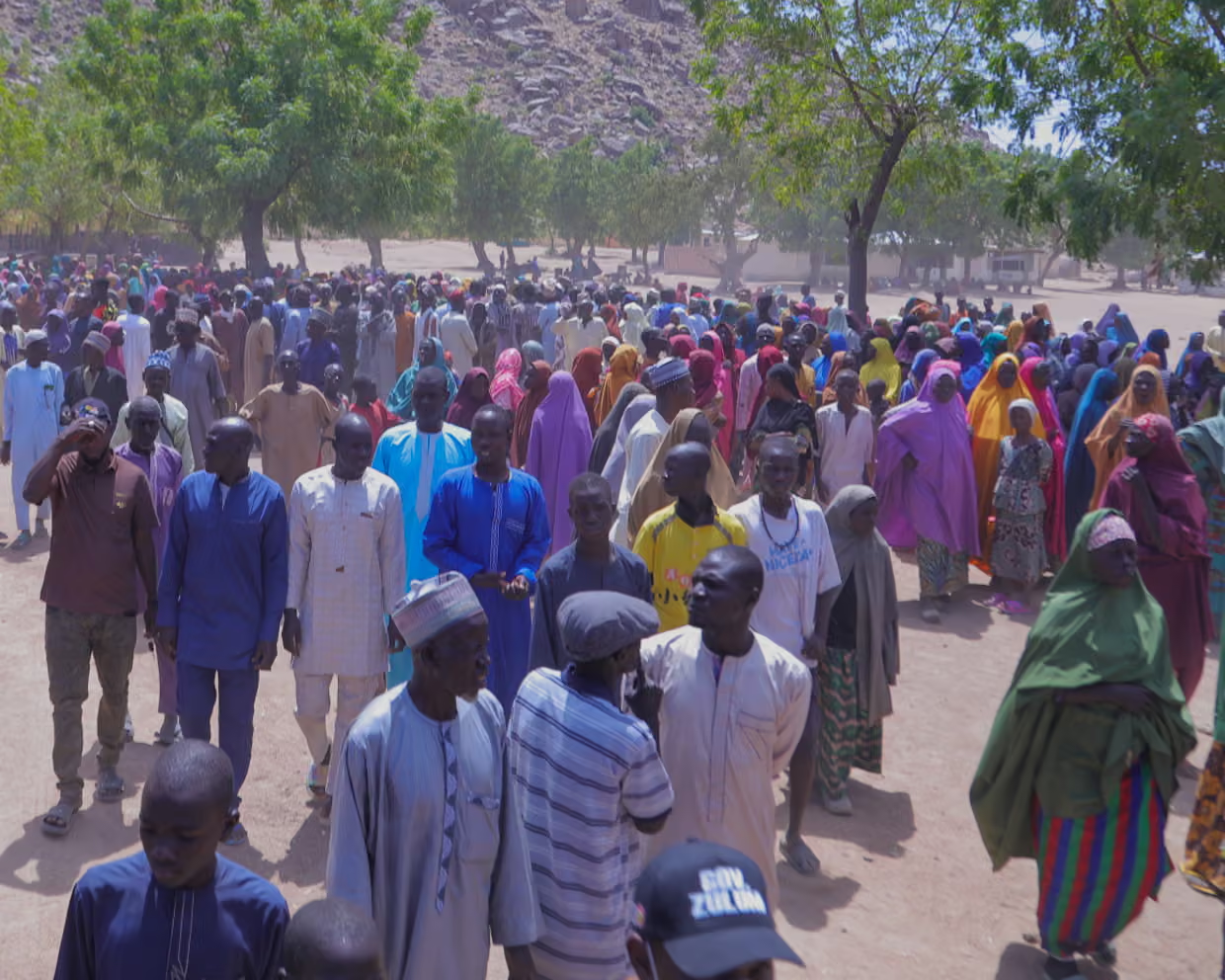
No fewer than 65 Nigerian soldiers have reportedly lost their lives following a series of coordinated attacks by jihadist fighters in the country’s north-eastern region over the past two weeks. The fresh violence highlights the continued struggle of Africa’s most populous nation to contain one of the world’s most lethal extremist movements.
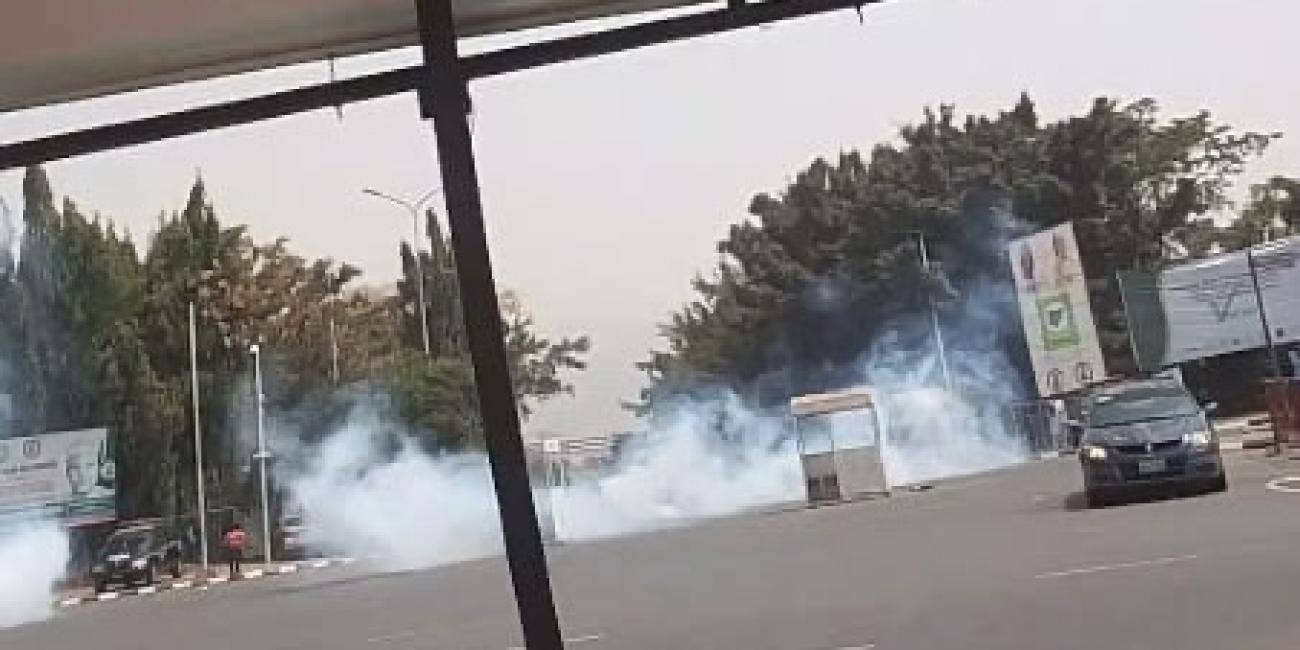
Between March 5 and March 6, militants believed to be members of the Islamic State West Africa Province (ISWAP) stormed several military formations in Borno State, widely regarded as the centre of the prolonged insurgency. Local media reports indicated that about 40 troops were killed during the assaults on four separate bases.
While the military authorities acknowledged the incidents in a statement issued on March 7, they questioned the reported casualty figures and did not disclose an official number. The same day, families and colleagues gathered to mourn the fallen soldiers at a mass burial ceremony.
Subsequent clashes were also reported on March 8 and March 9, with the army announcing that troops had repelled multiple coordinated attacks on positions in Delwa, Goniri, Kukawa and Mainok. Military sources maintained that the security forces successfully resisted the assaults by insurgent fighters.
Data from conflict monitoring organisations suggests that about 300 civilians, including women and children, were abducted during the raids. The attackers were said to have deployed advanced weapons such as anti-aircraft guns and surveillance drones, underlining growing concerns about their operational capacity.
These incidents follow a long-standing pattern of militant strikes on security installations across northern Nigeria. The insurgency, which has persisted for nearly two decades, intensified after the controversial killing of Boko Haram founder Mohammed Yusuf in 2009, an event widely seen as a turning point in the conflict.
Over the years, the crisis has spread beyond Nigeria’s borders into the wider Lake Chad Basin, affecting neighbouring Cameroon, Chad and Niger. Humanitarian agencies estimate that more than two million people have been displaced by the violence.
The extremist movement has since splintered into several factions, with ISWAP regarded as one of the most organised and ruthless. In a notable incident last November, militants reportedly killed a senior Nigerian army officer and circulated footage of the act despite official denials of his capture.
International partners have also become increasingly involved in the security response. Around 200 United States troops were deployed to northern Nigeria last month to provide training support, shortly after Washington announced targeted strikes against terrorist groups operating in the region.
Meanwhile, political leaders in Abuja have faced criticism over perceived priorities amid the escalating insecurity. Observers questioned the timing of a widely publicised mass wedding involving the children of junior Defence Minister Bello Matawalle, held during a period of renewed militant attacks. The minister also drew backlash for social media remarks celebrating a political defection at a time when security challenges were dominating national discourse.
In an earlier message marking Armed Forces Remembrance Day on January 15, Matawalle had paid tribute to fallen service members, describing their sacrifices as essential to the nation’s peace and stability.