Trending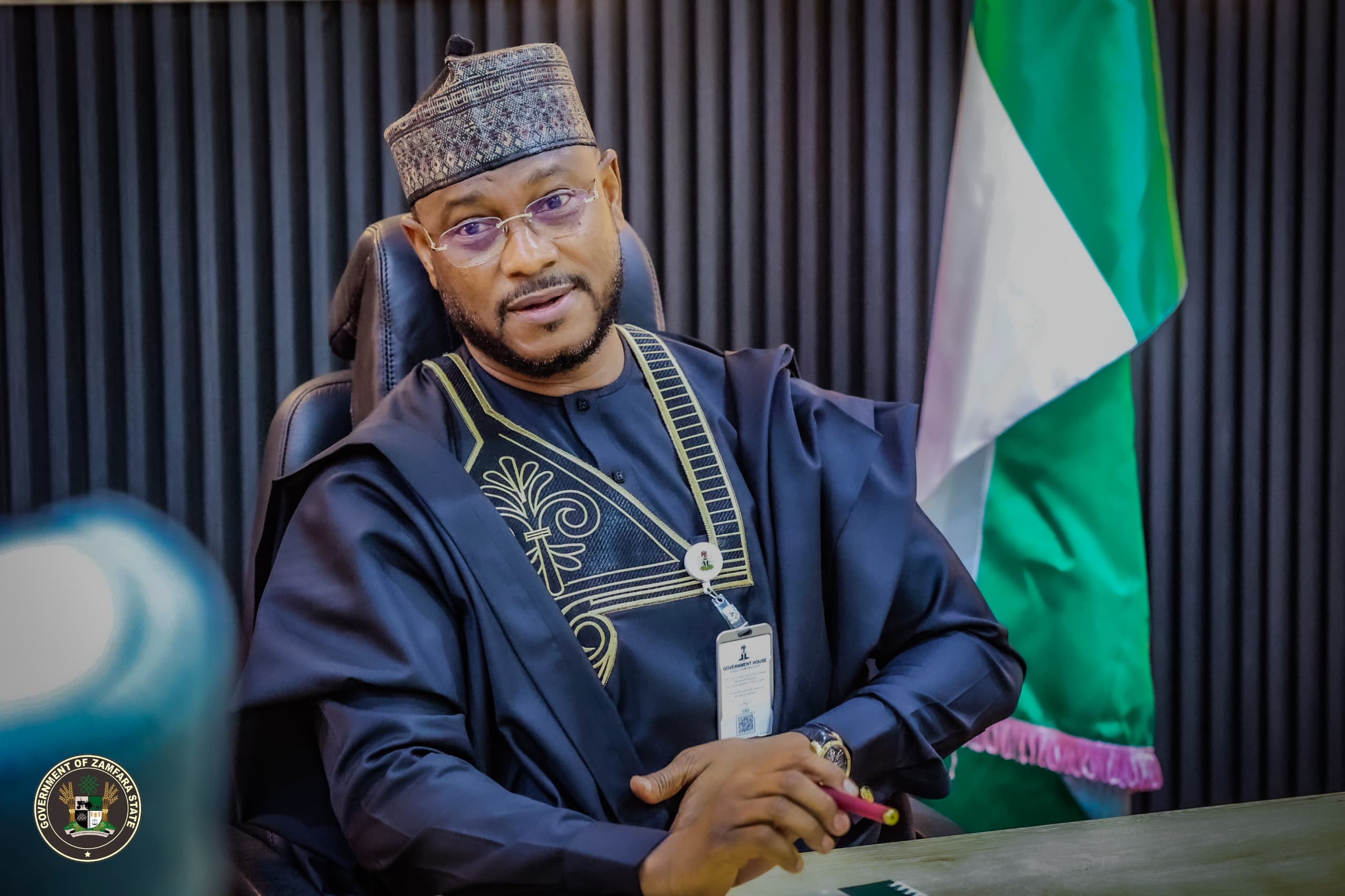
10th July 2026
Zamfara State Governor, Dauda Lawal, has disclosed that he refused to pay a ₦300 million ransom demanded by kidnappers who abducted his brothers in 2019, saying he would rather lose them than encourage criminality through ransom payments.
The governor made the revelation during the ARISE News/THISDAY Town Hall Conference in Abuja, where he spoke extensively on Nigeria’s worsening security crisis and the urgent need for structural reforms in the country’s policing system.
According to Lawal, the kidnappers demanded ₦300 million for the release of his brothers, but he maintained a firm position against negotiating with criminals.
“My own brothers were kidnapped in 2019, and these criminals demanded about ₦300 million. I told them I wasn’t going to pay a dime. If you like, kill them,” the governor said.
Lawal explained that despite his refusal to negotiate or pay any ransom, his brothers were eventually released after spending about three months in captivity.
He argued that the continued payment of ransom has become one of the major incentives driving the rapid increase in kidnappings across Nigeria.
“If we continue paying ransom, we are encouraging more kidnappings. Criminals will continue targeting innocent people because they know there is financial reward,” he stated.
The governor reiterated that his administration has adopted a zero-tolerance policy towards negotiating with kidnappers, insisting that his position remains unchanged regardless of who the victim may be.
“I will never negotiate with criminals, and I will never pay ransom, no matter what happens,” he added.
Beyond the ransom issue, Lawal renewed his call for the establishment of state police, arguing that governors are unfairly described as the chief security officers of their states despite lacking operational control over the police and other security agencies.
He lamented that while citizens hold governors accountable whenever insecurity worsens, the constitutional structure denies them authority over security personnel deployed within their states.
According to him, effective policing requires decentralisation, improved funding, better training, modern equipment and greater operational flexibility for state governments.
The governor revealed that the Zamfara State Government currently finances more than 30 percent of security operations in the state. He disclosed that his administration has procured over 500 operational vehicles, including Armoured Personnel Carriers (APCs) and Mine-Resistant Ambush Protected (MRAP) vehicles, to strengthen security agencies.
Lawal also said the state has invested in surveillance and combat drones to support intelligence gathering and improve the fight against armed bandits terrorising communities across Zamfara.
His comments come amid continuing national debate over whether ransom payments should be outlawed entirely or permitted as a last resort to save the lives of kidnap victims. Security experts have long argued that ransom payments strengthen criminal networks by providing funds for weapons procurement, recruitment and future operations, while many affected families maintain that paying ransom is often their only hope of securing the release of loved ones.
The governor’s personal account has reignited discussions on Nigeria’s anti-kidnapping strategy, with many observers viewing his experience as an example of the difficult choices families and governments face in confronting organised criminal groups.