Trending
Nigeria’s fragile electricity supply may face a deeper crisis in the coming weeks as gas suppliers begin halting supply to thermal power plants over an estimated ₦3.3 trillion debt owed by power generation companies (GenCos).
The development raises fears of worsening nationwide blackouts, as thermal plants—powered largely by natural gas—produce the bulk of the country’s electricity.
The Chief Executive Officer of the Association of Power Generation Companies (APGC), Joy Ogaji, disclosed that the growing debt burden has made it increasingly difficult for gas producers to continue supplying fuel to power plants without payment.
According to her, the financial strain within the electricity value chain has reached a critical point, leaving power generation companies unable to meet their obligations to gas suppliers.
Gas Supply Cuts Threaten Power Generation
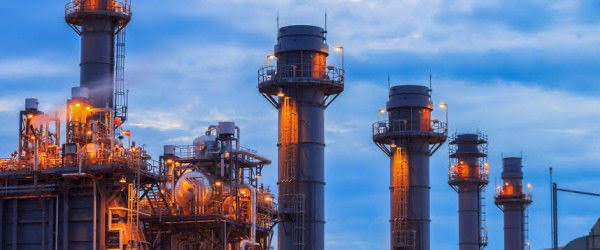
Nigeria relies heavily on gas-fired thermal plants for electricity generation, which account for more than 70 percent of the country’s installed capacity. With gas suppliers now restricting supply due to unpaid invoices, several power plants may be forced to reduce operations or shut down entirely.
Industry analysts warn that any sustained disruption in gas supply could drastically reduce power output from the national grid, leading to longer outages for households and businesses.
Nigeria currently generates between 3,000 and 4,500 megawatts of electricity on average—far below the country’s estimated demand of over 20,000 megawatts.
Liquidity Crisis in the Power Sector
The power sector’s financial crisis stems from a long-standing liquidity problem affecting the entire electricity value chain.
Under the current market structure, the Nigerian Bulk Electricity Trading Plc purchases electricity from generation companies before selling it to distribution companies (DisCos). Power is then transmitted nationwide by the Transmission Company of Nigeria.
However, distribution companies often recover only a fraction of the expected revenue from consumers, leaving the sector unable to fully settle payments to generation companies. In turn, GenCos struggle to pay gas suppliers that fuel their power plants.
The industry regulator, Nigerian Electricity Regulatory Commission, has repeatedly acknowledged the financial imbalance within the sector, warning that persistent underpayment threatens the sustainability of electricity generation.
Impact on Businesses and Households
If gas supply continues to decline, the consequences could be severe for Nigeria’s economy.
Manufacturers, small businesses, and households already rely heavily on petrol and diesel generators due to unreliable electricity supply. A further drop in grid power could significantly increase operating costs for businesses and worsen living conditions for millions of Nigerians.
Experts warn that frequent outages could also affect industrial productivity, telecommunications infrastructure, and essential services.
Calls for Government Intervention
Stakeholders in the power sector are urging the Federal Government to urgently address the mounting debt and stabilize the electricity market.
Proposed solutions include government intervention funds, payment guarantees to gas suppliers, and reforms aimed at improving revenue collection within the distribution segment of the market.
Without swift action, analysts warn that Nigeria could face a prolonged electricity shortage that would further strain an already fragile power system.
For many Nigerians, the situation underscores the urgent need for structural reforms to ensure reliable and sustainable electricity supply across the country.