Trending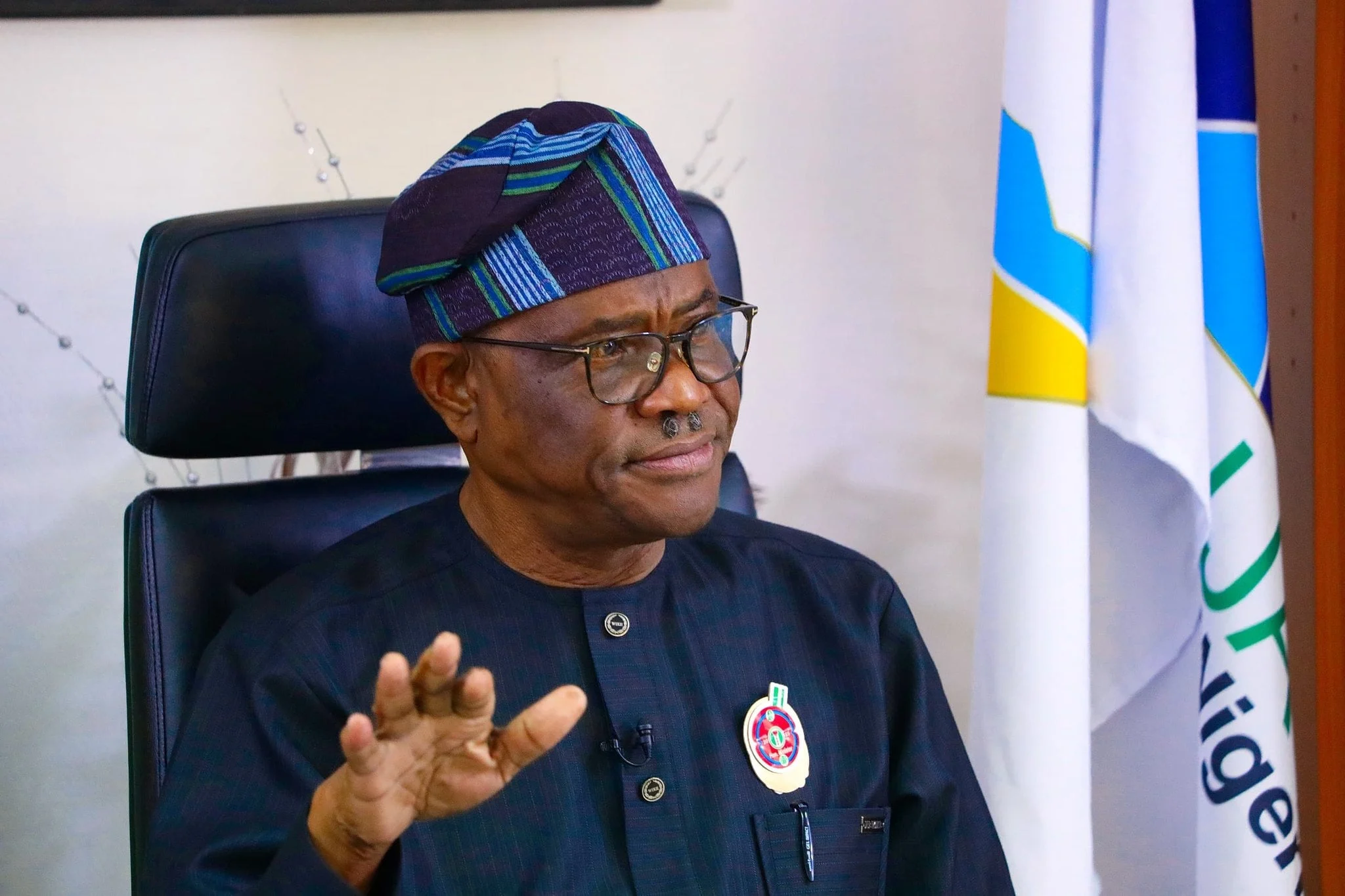
7 JULY 2026
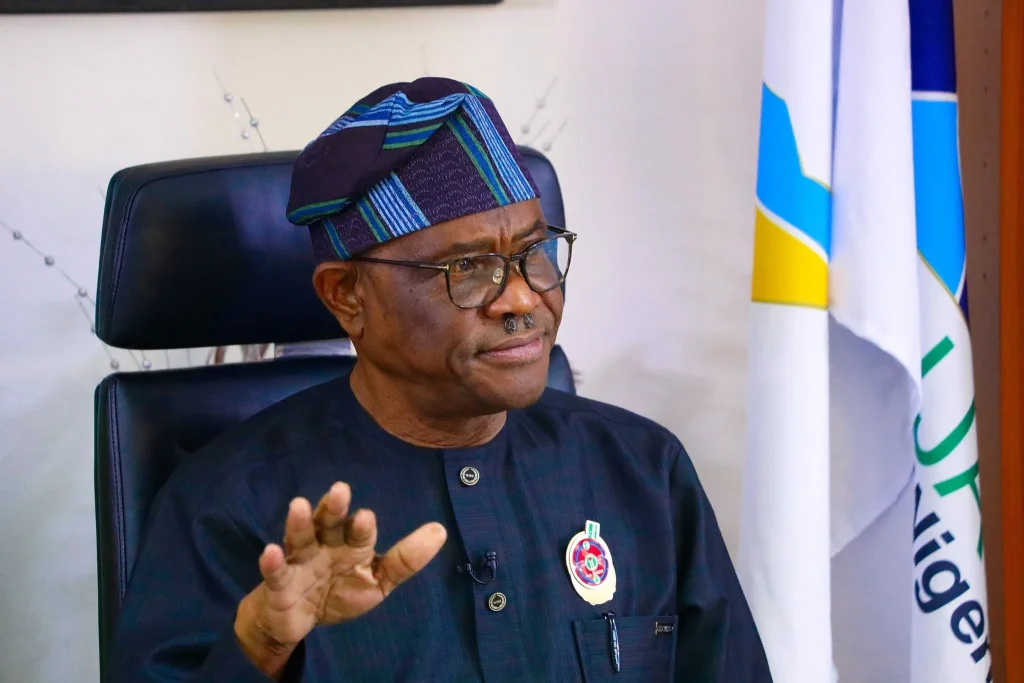
Minister of the Federal Capital Territory (FCT), Nyesom Wike, has warned that the Peoples Democratic Party (PDP) faces an uphill task in its bid to reclaim the presidency in the 2027 general election, saying the opposition party remains too divided and structurally weak to mount a formidable challenge against the ruling All Progressives Congress (APC).
Wike, a former governor of Rivers State and one of the most influential figures within the PDP despite serving in President Bola Ahmed Tinubu’s administration, said political parties do not win presidential elections through wishful thinking or public dissatisfaction with an incumbent government. Rather, he argued, victory is built on unity, discipline, financial strength, effective grassroots structures and strategic leadership.
Speaking during a meeting with party stakeholders, Wike urged PDP leaders to confront the realities facing the party instead of assuming that the APC’s challenges would automatically translate into victory for the opposition in 2027.
According to him, Nigerians are looking for a political platform that is stable, organized and capable of governing the country, not one consumed by internal conflicts and leadership disputes.
His remarks come at a time when political activities ahead of the 2027 elections are gradually gathering momentum, with opposition parties holding consultations, coalition talks intensifying and political heavyweights repositioning themselves for another presidential contest.
The PDP, once Nigeria’s dominant political party, has remained out of power since losing the presidency to the APC in 2015. Although it has remained the country’s largest opposition party, its efforts to return to power have repeatedly been undermined by internal crises, leadership disagreements and prolonged legal battles.
The divisions became even more pronounced before the 2023 general election following disagreements over the party’s presidential ticket and demands by several governors that the then National Chairman, Dr. Iyorchia Ayu, resign to reflect the party’s zoning arrangement.
The dispute eventually gave rise to the G-5 Governors, led by Wike, who openly opposed the PDP presidential campaign after negotiations within the party failed to resolve the crisis. Many political observers believe those disagreements significantly weakened the PDP’s chances during the election, contributing to its defeat while also allowing the Labour Party to make substantial electoral gains in many traditional PDP strongholds.
Despite repeated reconciliation efforts since the election, the party has continued to experience internal disagreements over leadership, zoning, disciplinary actions and its future direction.
Wike said those unresolved issues remain the party’s greatest obstacle.
According to him, political parties seeking to govern Nigeria must first demonstrate the ability to govern themselves.
He stressed that the presidency is not awarded on sentiment or public sympathy but won through years of political organization, coalition building, fundraising and grassroots mobilization across Nigeria’s 36 states and the Federal Capital Territory.
He further questioned whether the PDP currently possesses the financial capacity required to prosecute a nationwide presidential campaign.
Presidential elections in Nigeria require enormous resources for campaign logistics, media engagement, voter education, polling agents, transportation, legal representation and nationwide mobilization. Wike argued that any political party hoping to compete seriously must honestly evaluate its financial readiness instead of relying on assumptions that voters will simply reject the ruling party.
Although he acknowledged that money alone does not determine election outcomes, he maintained that inadequate funding could severely weaken even the strongest presidential candidate.
His comments also come against the backdrop of growing conversations around a possible opposition coalition ahead of the 2027 elections.
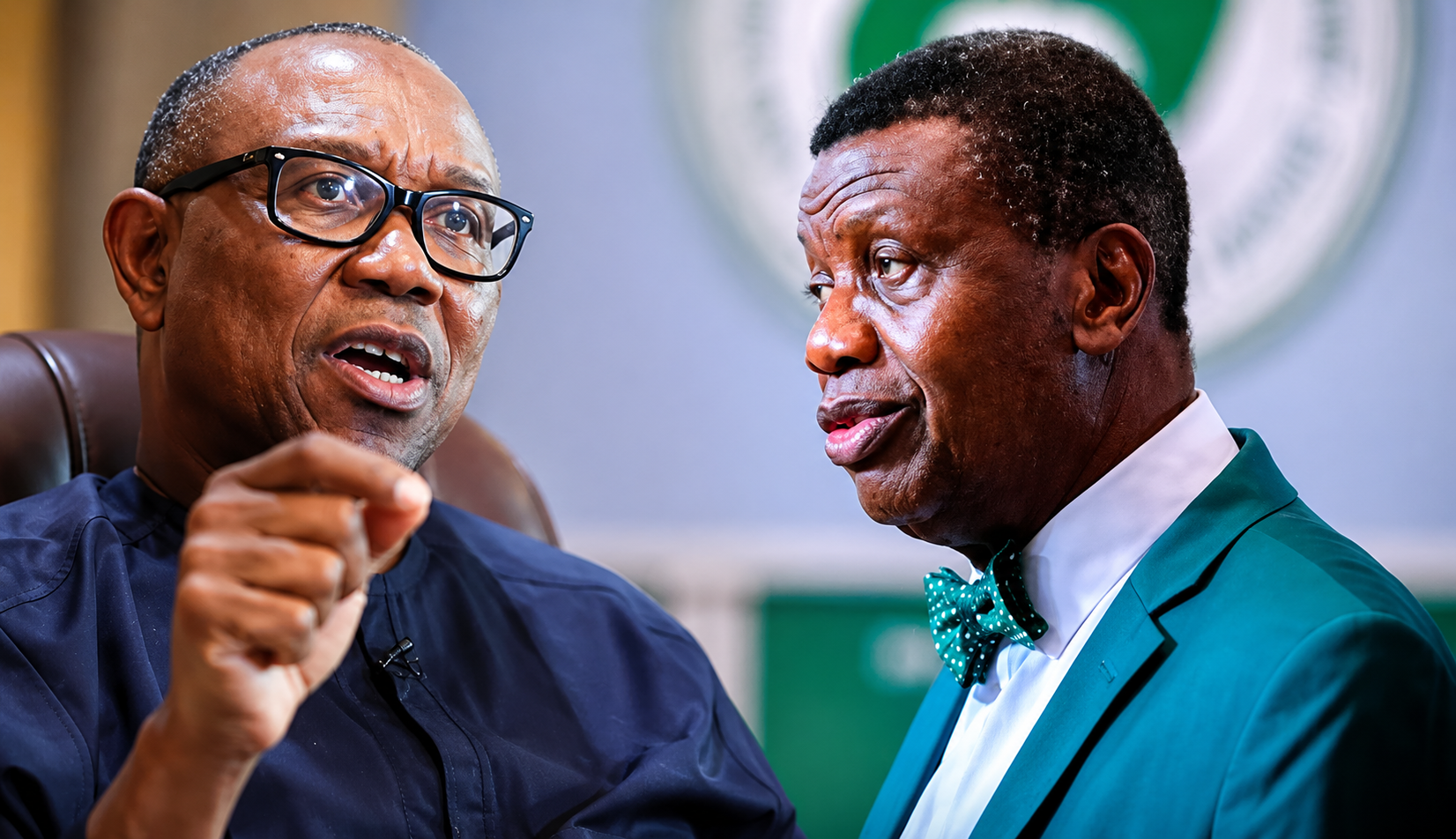
Former Vice President Atiku Abubakar, Labour Party presidential candidate Peter Obi, former Kaduna State Governor Nasir El-Rufai and several opposition leaders have repeatedly called for greater collaboration among opposition parties in an effort to present a united front against the APC.
However, negotiations have been complicated by longstanding political rivalries, disagreements over zoning, questions surrounding presidential ambitions and competing regional interests.
Analysts believe that while a coalition could significantly reshape the political landscape, sustaining unity among Nigeria’s diverse opposition forces may prove just as challenging as defeating the ruling party itself.
Wike’s latest remarks are also significant because of his unique political position.
Although he remains a member of the PDP, he accepted an appointment as Minister of the Federal Capital Territory under President Tinubu’s APC-led administration shortly after the 2023 elections. The decision triggered widespread criticism within the PDP, with some party leaders accusing him of anti-party activities and demanding disciplinary measures.
Supporters of the former Rivers governor, however, argue that Wike remains one of the party’s most influential politicians and that his views continue to shape internal political discussions, particularly regarding the PDP’s electoral strategy and organizational future.
Political analysts say his latest warning should be viewed less as an endorsement of the APC and more as an acknowledgement of the significant structural problems confronting the PDP as preparations for the next general election gather pace.
With political consultations expected to intensify over the coming months, the opposition party faces difficult questions over leadership, internal reconciliation, funding, coalition building and candidate selection.
Whether the PDP can resolve those longstanding disputes before Nigerians head to the polls in 2027 may ultimately determine whether it can once again emerge as a credible alternative to the ruling APC or remain trapped in the cycle of internal crises that has defined much of its post-2015 history.
For now, Wike’s message is clear: defeating the ruling party will require far more than optimism. It will demand unity, organization, resources and a level of political cohesion that many observers believe the PDP has yet to achieve.