Trending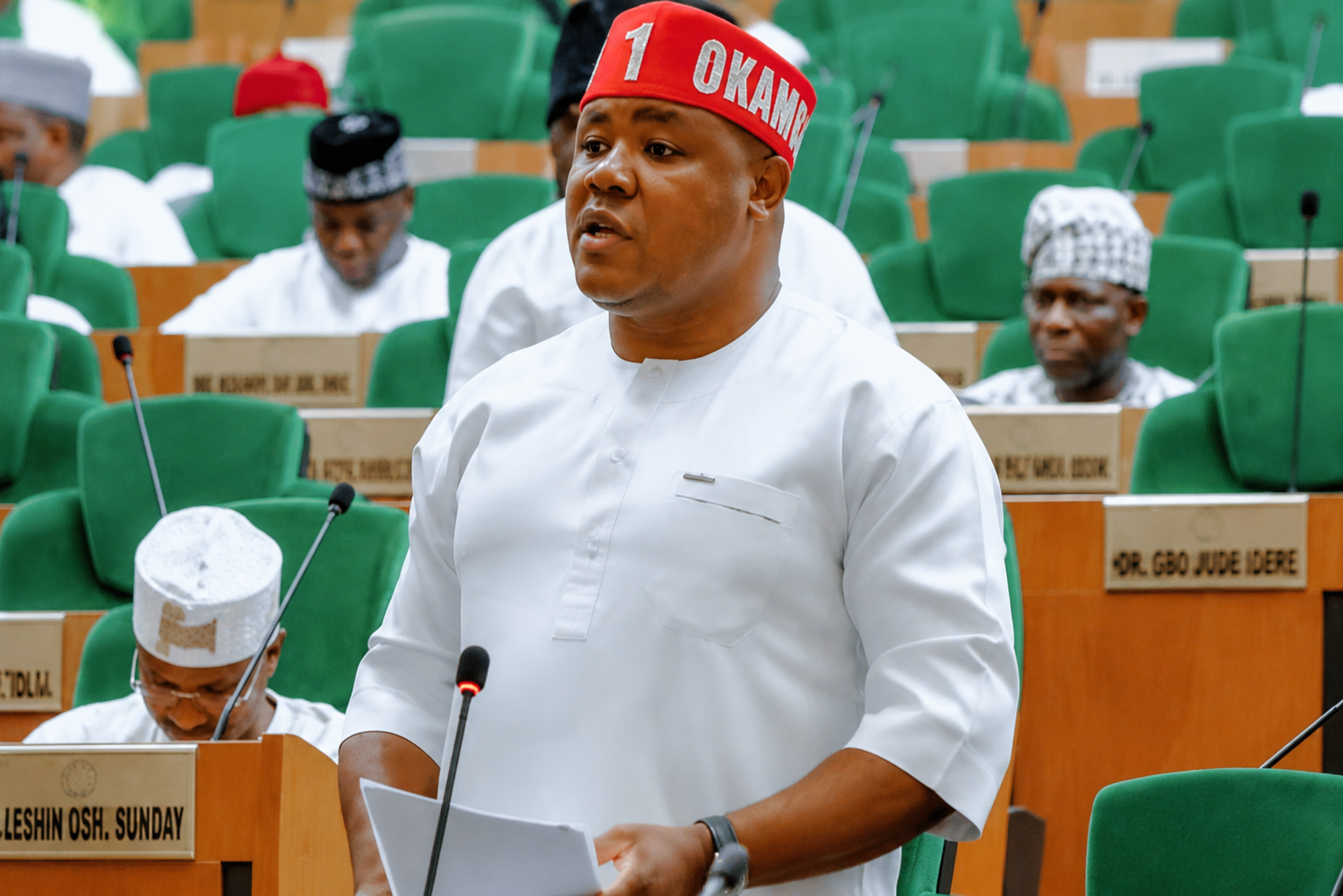
13th July 2026
The Deputy Spokesperson of the House of Representatives has declared that the National Assembly does not require the approval of President Bola Ahmed Tinubu before investigating issues relating to the federal budget, insisting that oversight remains one of the legislature’s constitutional responsibilities.
The lawmaker made the remark while addressing growing public debate over the House’s decision to probe alleged irregularities in the implementation and administration of budgetary allocations.
According to the Deputy Spokesperson, the legislature derives its investigative authority directly from the 1999 Constitution (as amended), making it independent of the Executive in the discharge of its oversight functions.
“We don’t need Tinubu,” the lawmaker said, emphasizing that parliamentary investigations are carried out on behalf of the Nigerian people and not at the discretion of the President.
He explained that one of the core duties of the National Assembly is to ensure that public funds appropriated by lawmakers are spent in accordance with the law and for the purposes approved in the national budget.
The statement comes amid heightened public scrutiny over several budget-related controversies, including allegations surrounding government agencies, constituency projects and public expenditure. Lawmakers have maintained that no individual or institution handling public resources should be exempt from legislative accountability.
The Deputy Spokesperson stressed that oversight is not an act of hostility toward the Executive but an essential democratic mechanism designed to promote transparency, accountability and prudent management of public finances.
Constitutional experts note that Sections 88 and 89 of the 1999 Constitution empower the National Assembly to conduct investigations into matters concerning the administration of laws, public expenditure and the activities of government agencies. These provisions also authorize lawmakers to summon individuals, request documents and gather evidence where necessary in the exercise of their oversight functions.
Political analysts say the remarks underscore the constitutional principle of separation of powers, under which the Executive, Legislature and Judiciary operate as independent arms of government while serving as checks and balances on one another.
The latest comments are expected to intensify national conversations over the relationship between the Executive and the Legislature, particularly as lawmakers continue to examine issues relating to budget implementation, fiscal discipline and accountability in public institutions.
Observers argue that effective legislative oversight remains critical to strengthening democratic governance and ensuring that taxpayers’ funds are managed in the public interest.