Trending
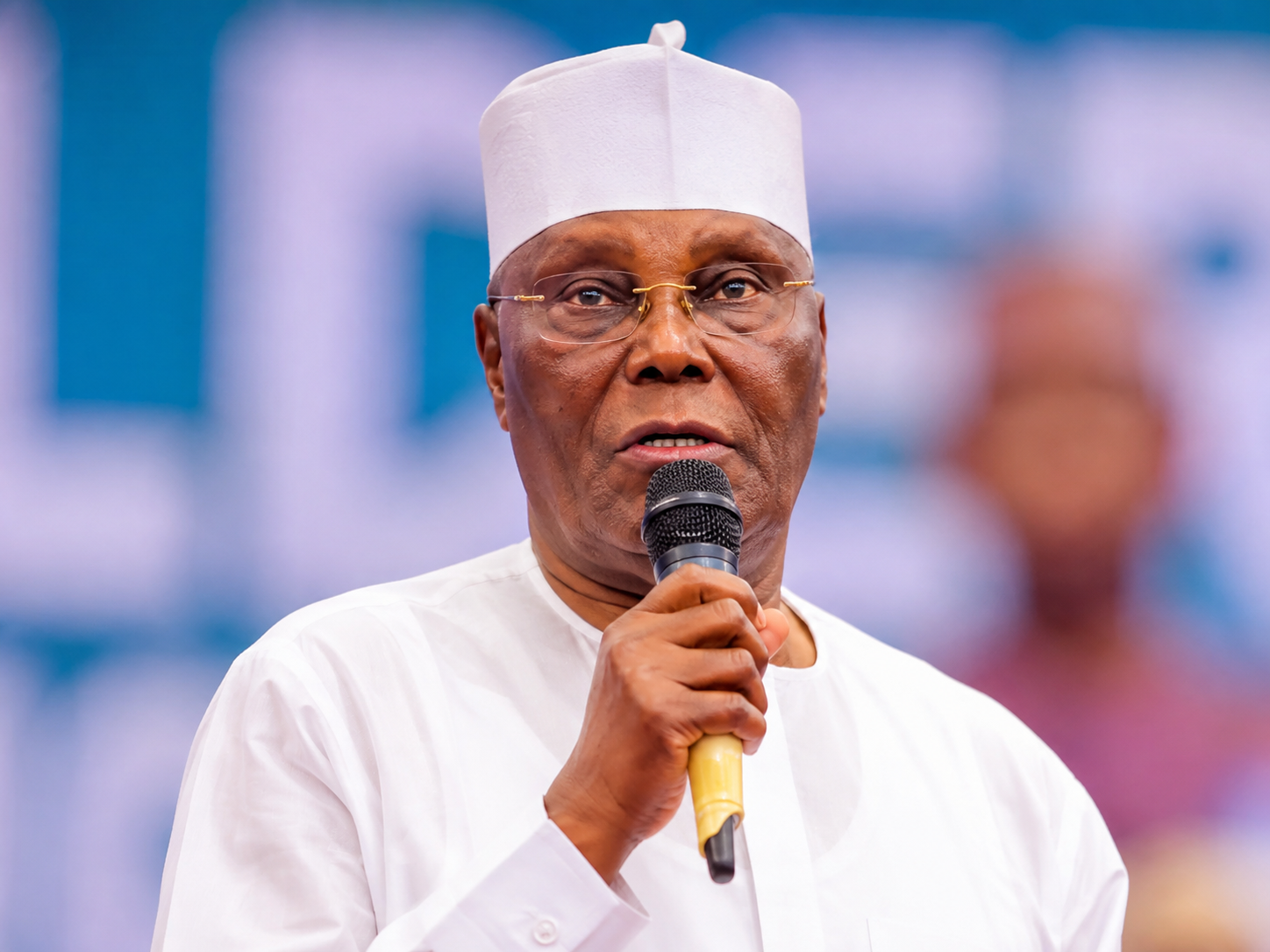
The Presidency and former Vice President Atiku Abubakar have become embroiled in another fierce confrontation over persistent killings and insecurity across Nigeria, reopening debate over the Federal Government’s handling of the country’s security challenges.
Atiku has repeatedly criticised President Bola Ahmed Tinubu’s administration over killings attributed to terrorists, bandits and other armed groups, arguing that the Federal Government has not done enough to protect Nigerians.
His criticism places responsibility for national security directly at the President’s doorstep, reflecting the constitutional position of the President as Commander-in-Chief of the Armed Forces.
The Presidency, however, has pushed back against Atiku’s position, rejecting attempts to portray the administration as indifferent to the security situation and defending the government’s efforts to confront terrorism, banditry, kidnapping and other violent crimes.
The latest exchange comes amid continuing public concern over attacks in different parts of the country, particularly communities that have experienced killings, kidnappings, displacement and destruction of property.
Nigeria’s insecurity predates the Tinubu administration.
The Boko Haram insurgency escalated dramatically during previous administrations, while the Muhammadu Buhari years witnessed the continuation of the insurgency alongside the expansion of banditry, mass kidnappings and attacks on rural communities.
President Tinubu therefore inherited a complex security environment when he assumed office on May 29, 2023.
However, the responsibility for tackling existing and emerging security threats rests with the government of the day, putting the administration under pressure to demonstrate measurable progress in protecting lives and property.
For many affected communities, the impact of insecurity extends far beyond casualty figures.
Repeated attacks can force residents from their homes, prevent farmers from accessing their farmlands, disrupt businesses and schools, increase food insecurity and leave families dealing with the consequences of kidnapping and violent crime.
The Federal Government has continued to deploy the military, police and other security agencies against armed groups across the country, while insisting that its security strategy is producing results.
Atiku and other critics, however, continue to challenge the administration over the persistence of deadly attacks and have demanded stronger action to protect vulnerable communities.
The renewed confrontation between the Presidency and Atiku consequently brings national attention once again to the country’s long-running security crisis.
As Nigerians continue to demand improved security, the effectiveness of government interventions will ultimately be measured by tangible outcomes—including reductions in killings, kidnappings and attacks, the restoration of security to affected communities, and the ability of citizens to go about their daily lives without fear.