Trending
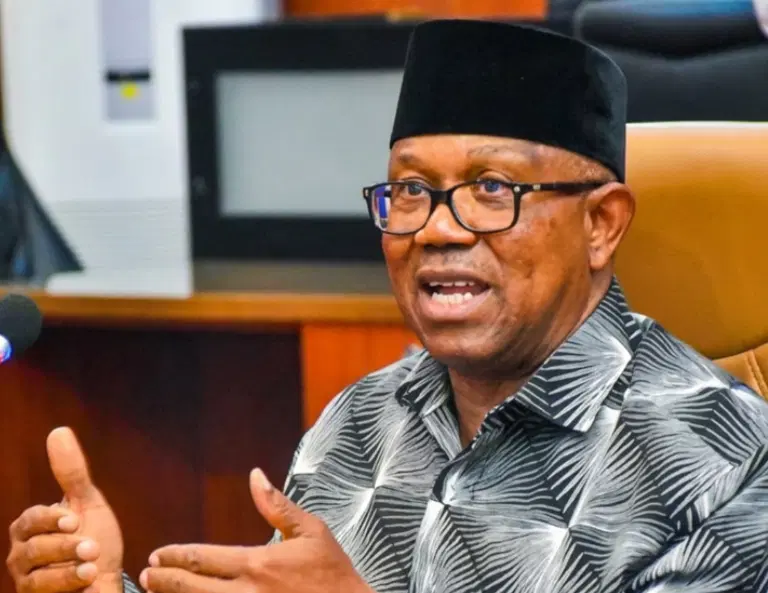
Former Anambra State Governor and presidential candidate Peter Obi has delivered a sharply critical assessment of Nigeria’s condition as the country marks its 66th Independence anniversary, describing Nigeria as “the worst place to be born” today.
The statement forms part of Obi’s broader criticism of Nigeria’s development record and the living conditions confronting millions of citizens, particularly young people.
The phrase also echoes an older international assessment. In the Economist Intelligence Unit’s 2013 Where-to-be-Born Index, Nigeria ranked last among the 80 countries assessed at the time. That historical ranking, however, should not be treated as a current 2026 global ranking; Obi’s latest statement is a political assessment rather than evidence that Nigeria currently ranks last worldwide on a contemporary index.
Obi’s Independence Day intervention focuses attention on persistent challenges including poverty, unemployment and underemployment, insecurity, access to quality healthcare and education, and the cost of living.
His remarks come as Nigerians debate the country’s progress 66 years after independence and assess the impact of economic reforms introduced under President Bola Tinubu.
The Tinubu administration argues that difficult reforms, including the removal of petrol subsidy and changes to the foreign-exchange system, were necessary to address structural economic problems and establish a foundation for longer-term growth.
Opposition figures, including Obi, have challenged the government’s management of those reforms and questioned whether improvements in headline economic indicators are translating quickly enough into better living conditions for ordinary Nigerians.
Obi’s description of Nigeria as the “worst place to be born” is therefore best understood as a strongly worded political criticism rather than a literal current international ranking.
The broader issue raised by his Independence Day message is measurable: after 66 years of independence, how does Nigeria perform on indicators that directly affect the life of a child born today — healthcare, nutrition, education, security, household income and economic opportunity?
That question is likely to remain prominent as the government and opposition present competing assessments of Nigeria’s direction ahead of the 2027 general election.