Trending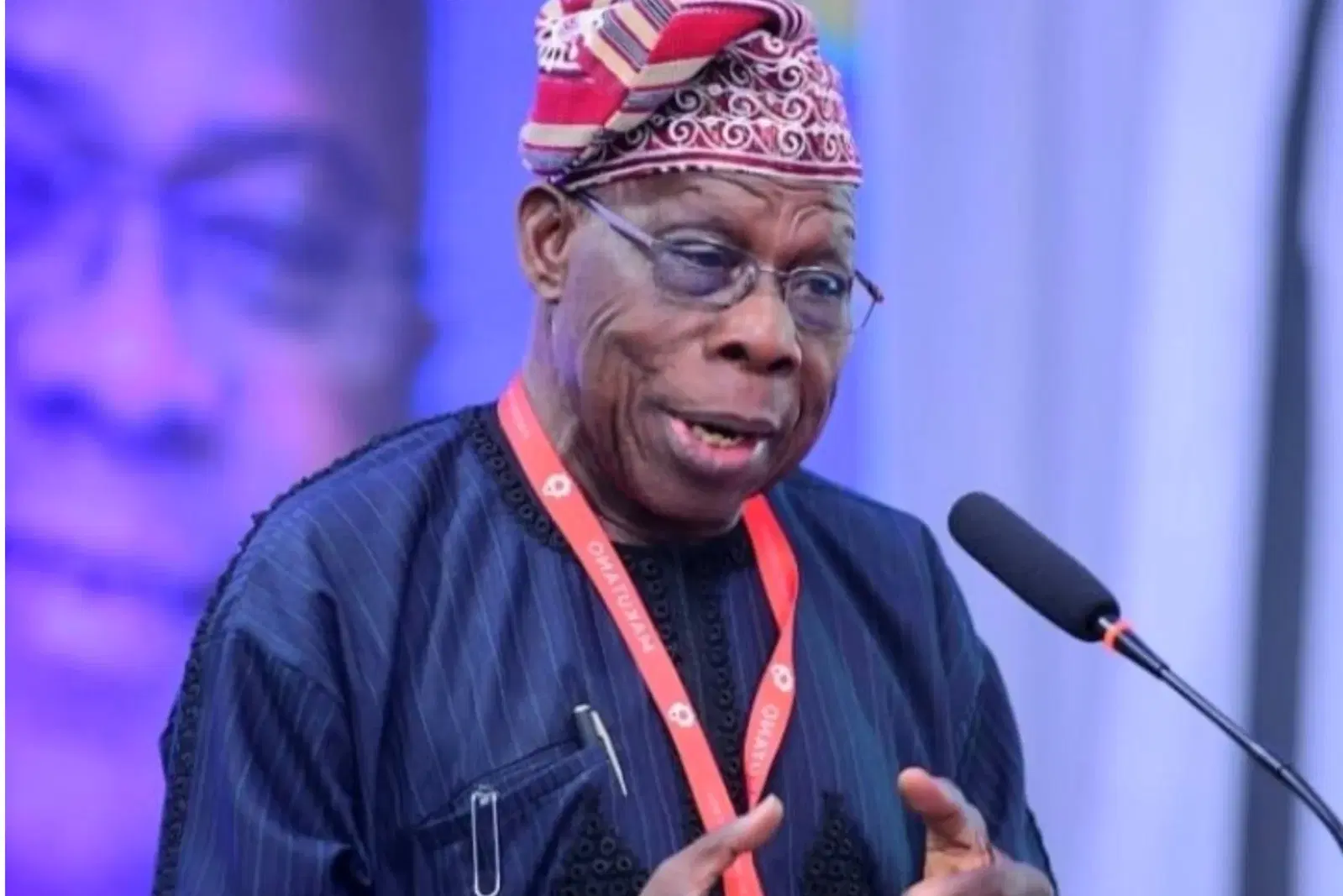
Former President Olusegun Obasanjo has highlighted Nigeria’s historic contribution to the struggle against apartheid, declaring that South Africa might not have ended white-minority rule when it did without Nigeria’s sustained political, diplomatic and material support.
Obasanjo made the remarks during an interview on C-Suite Cafe, hosted by Ikem Okuhu, published on Sunday, September 14, 2026. He described Nigeria’s intervention in the anti-apartheid struggle as a matter of principle rather than an attempt to secure future economic or political rewards.
According to the former president, Nigeria acted from the conviction that no Black person anywhere in the world should be treated as inferior because of the colour of their skin. He described the country’s approach as one of “enlightened self-interest.”
Obasanjo argued that Nigerians should remain proud of the country’s role, saying: “Without Nigeria, South Africa would not have got rid of apartheid when it got rid of it.”
Historical records support the broader point that Nigeria was a major force in the international anti-apartheid campaign. Nigeria chaired the United Nations Special Committee Against Apartheid for decades, campaigned internationally for sanctions and isolation of the apartheid government, supported liberation movements and hosted the 1977 World Conference for Action Against Apartheid in Lagos.
Nigeria also provided substantial financial and humanitarian assistance. Academic historical accounts document annual financial support for liberation movements including the African National Congress (ANC), while the Southern Africa Relief Fund mobilised contributions from the Nigerian government, civil servants, students and ordinary citizens to assist victims of apartheid and support educational opportunities.
The ANC itself publicly acknowledged Nigeria’s contribution during the struggle. At the 1977 Lagos conference, ANC leader Oliver Tambo praised Nigeria for placing itself at the frontline of efforts to dismantle apartheid and welcomed its material and political support for South African liberation.
Obasanjo stressed, however, that Nigeria was not acting alone. He recalled cooperation with African leaders including Julius Nyerere of Tanzania, Kenneth Kaunda of Zambia and Samora Machel of Mozambique, alongside international figures such as Jimmy Carter, James Callaghan and Olof Palme.
His comments come amid renewed tensions over xenophobic and anti-immigrant attacks against Nigerians and other African migrants in South Africa. Obasanjo criticised such attacks, arguing that immigration violations or criminal allegations should be handled through lawful institutions rather than mob violence.
The historical record therefore gives considerable weight to Obasanjo’s broader argument about Nigeria’s importance to the anti-apartheid struggle, although the eventual collapse of apartheid resulted from multiple forces — decades of resistance by South Africans themselves, regional African support, international sanctions and pressure, economic factors and changing global politics.
The deeper question raised by Obasanjo’s intervention is therefore about historical memory and African solidarity: if Nigerians and other Africans stood with South Africans during one of the darkest periods in the country’s history, what should that shared history mean for relations between Africans today?