Trending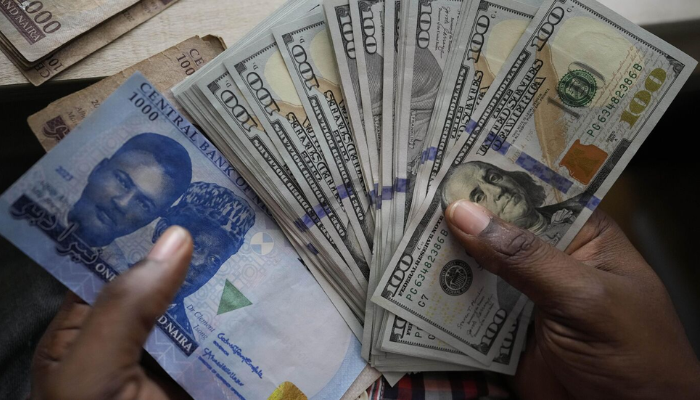
13th July 2026
The Nigerian naira maintained its stability against the United States dollar, closing at ₦1,382.33/$1, a development that analysts say reflects improved liquidity and relative calm in the country’s foreign exchange market.
The latest exchange rate indicates that the local currency continues to benefit from ongoing reforms introduced by the Central Bank of Nigeria (CBN) aimed at improving transparency, attracting foreign investment and boosting confidence in the foreign exchange market.
Market participants attributed the naira’s steady performance to increased dollar supply, stronger market confidence and the CBN’s continued interventions designed to narrow the gap between official and parallel market exchange rates.
In recent months, the apex bank has implemented several measures, including reforms to the foreign exchange market, stricter regulatory oversight and policies intended to improve liquidity while reducing speculative demand for foreign currencies.
Economic analysts note that although exchange rate stability is encouraging, sustaining the gains will depend on consistent foreign exchange inflows from crude oil exports, foreign direct investment, diaspora remittances and improved non-oil exports.
The naira has experienced significant volatility over the past two years following the liberalisation of Nigeria’s foreign exchange market, with businesses and consumers facing rising costs due to fluctuations in the value of the local currency. However, recent improvements have raised cautious optimism among investors and financial market observers.
A more stable exchange rate could help moderate imported inflation, reduce production costs for manufacturers that rely on imported raw materials and improve planning for businesses engaged in international trade.
Despite the positive outlook, economists warn that Nigeria still faces structural challenges, including inflationary pressures, declining purchasing power and pressure on foreign exchange earnings. They argue that maintaining currency stability will require sustained fiscal discipline, increased domestic production and broader economic diversification.
The Central Bank has repeatedly affirmed its commitment to maintaining a transparent, market-driven foreign exchange system while implementing policies that support macroeconomic stability and long-term economic growth.
Market observers will continue to monitor developments in the foreign exchange market in the coming weeks as investors assess the impact of monetary policies, global oil prices and foreign capital inflows on the value of the naira.