Trending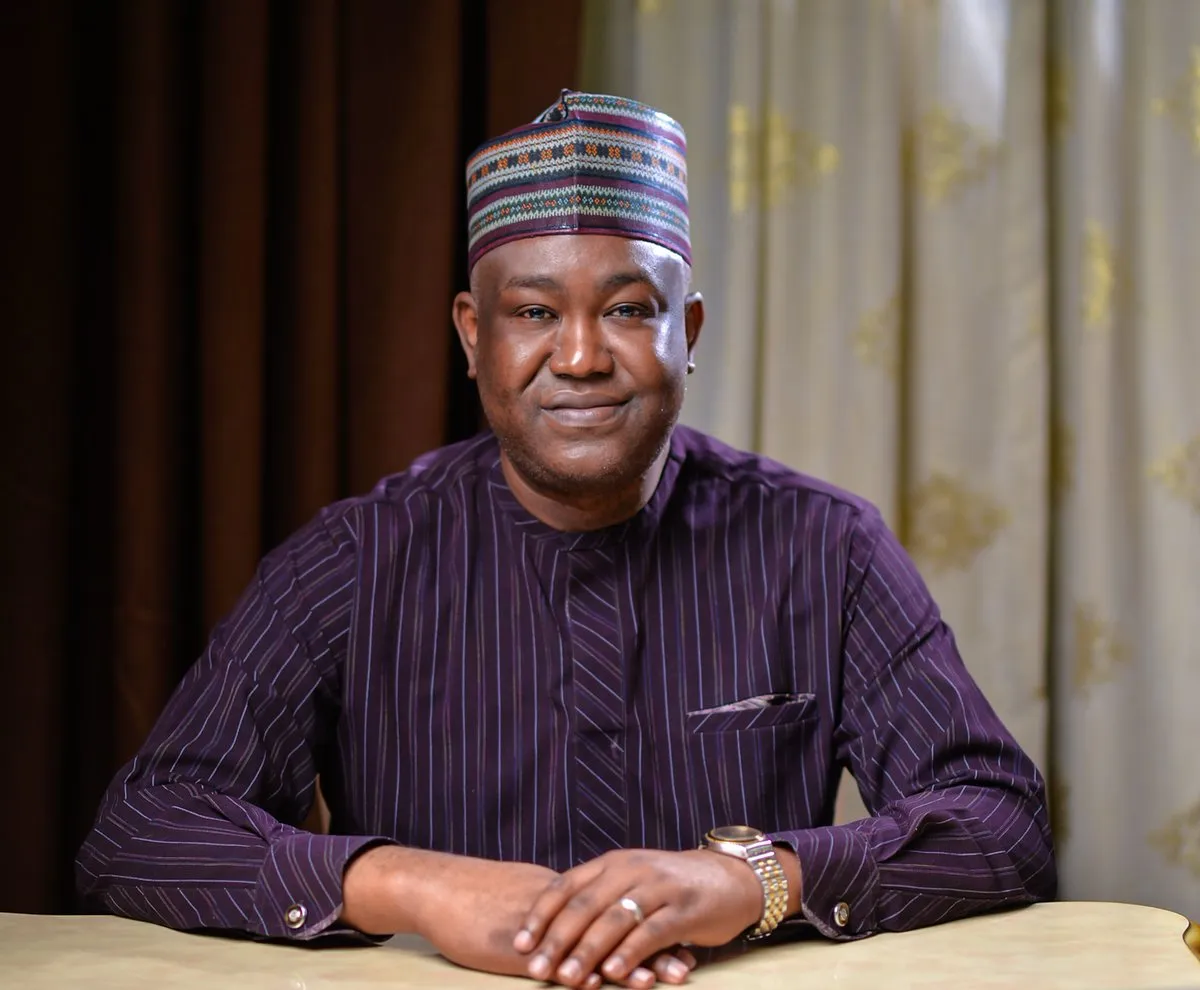
ABUJA, Nigeria – Former presidential candidate Gbenga Olawepo-Hashim has expressed deep concern over Nigeria’s worsening security situation, declaring that the country is effectively “at war” and accusing President Bola Ahmed Tinubu’s administration of lacking a coherent strategy to address the crisis.
Hashim made the remarks while commenting on the growing wave of insecurity across several parts of the country, including persistent terrorist attacks, banditry, kidnappings, communal violence, and other forms of armed criminality that continue to claim lives and displace communities.
According to him, the scale and frequency of violent attacks suggest that Nigeria is facing more than isolated security incidents. He argued that the nation requires a comprehensive national security strategy that combines military action with intelligence gathering, economic reforms, community engagement, and institutional coordination.
The former presidential aspirant maintained that while security agencies have recorded successes in some operations, the country continues to experience deadly attacks in parts of the North-East, North-West, North-Central, and other regions, raising concerns about the effectiveness of existing security policies.
Hashim further argued that addressing insecurity requires stronger collaboration between the Federal Government, state governments, local communities, and security institutions. He emphasized that military operations alone may not be sufficient to achieve lasting peace without addressing the underlying causes of violence, including poverty, unemployment, weak intelligence, illegal arms proliferation, and poor border control.
His comments come amid increasing public debate over Nigeria’s security challenges. In recent months, there have been renewed calls from political leaders, civil society organizations, and security experts for reforms in policing, intelligence sharing, and the broader architecture of national security.
The Tinubu administration has repeatedly stated that security remains one of its top priorities. Government officials have highlighted ongoing military offensives against terrorist groups, increased investment in security equipment, enhanced intelligence coordination, and efforts to strengthen collaboration among the armed forces and other security agencies.
However, critics argue that despite these measures, many communities continue to experience frequent attacks, kidnappings for ransom, and displacement, underscoring the need for a more effective and measurable long-term security strategy.
Hashim’s remarks are likely to add to the growing national conversation on governance, security, and leadership as political activities ahead of the 2027 general elections gradually gather momentum. Security is expected to remain one of the defining issues in the campaigns, with political parties facing increasing pressure to present practical and credible solutions to one of Nigeria’s most pressing challenges.