Trending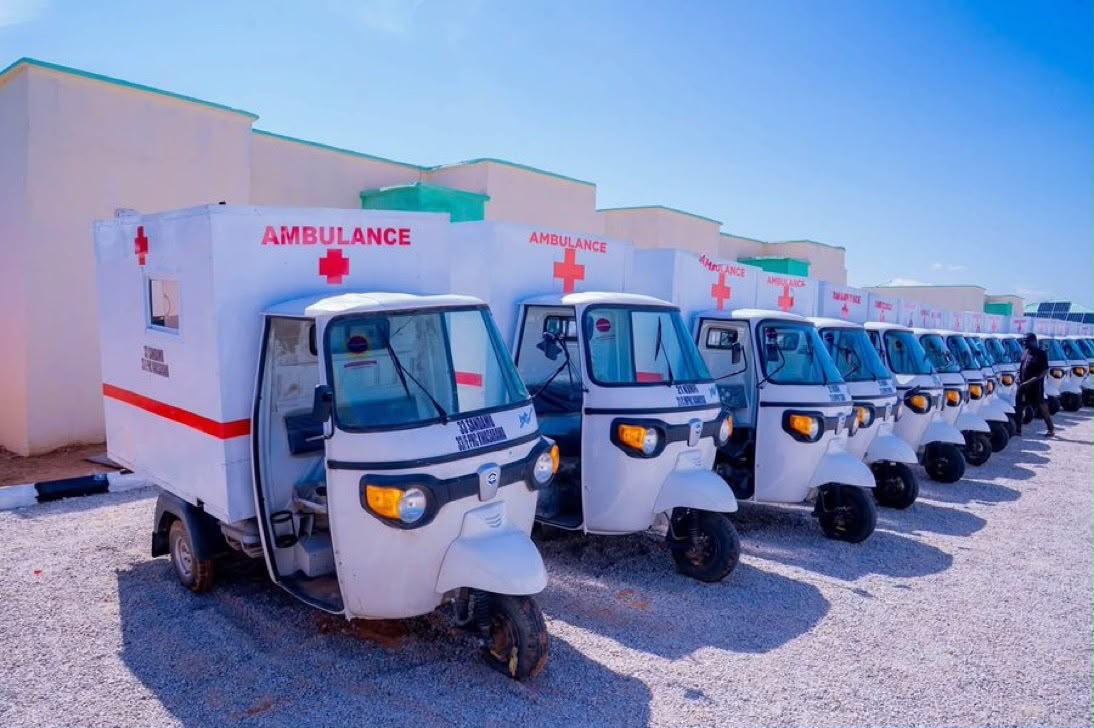
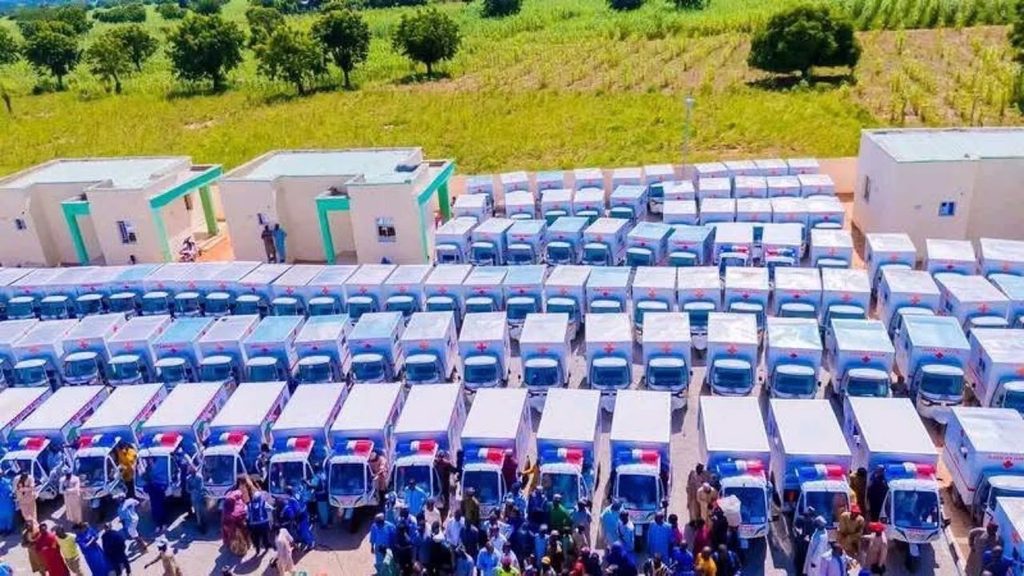
The Federal Government and Katsina State Government have unveiled a major healthcare intervention comprising 18 Advanced Life Support ambulances and 238 tricycle ambulances, alongside the commissioning of the upgraded General Hospital, Charanchi, as part of efforts to strengthen emergency and rural healthcare delivery across the state.
The facilities were unveiled on Tuesday, September 15, 2026, by the Coordinating Minister of Health and Social Welfare, Prof. Muhammad Ali Pate, and Katsina State Governor Dikko Umaru Radda.
Of the 18 Advanced Life Support ambulances, 15 were provided by the Katsina State Government, while President Bola Ahmed Tinubu approved the donation of three additional ambulances through the Federal Government.
The 238 tricycle ambulances are intended primarily to tackle one of the biggest barriers to healthcare in rural communities: getting sick or injured residents from remote locations to health facilities quickly.
They represent the first batch of a planned 361 tricycle ambulances — one for each of Katsina State’s 361 wards. The vehicles are expected to strengthen referrals, particularly for pregnant women, emergency patients and residents of hard-to-reach communities.
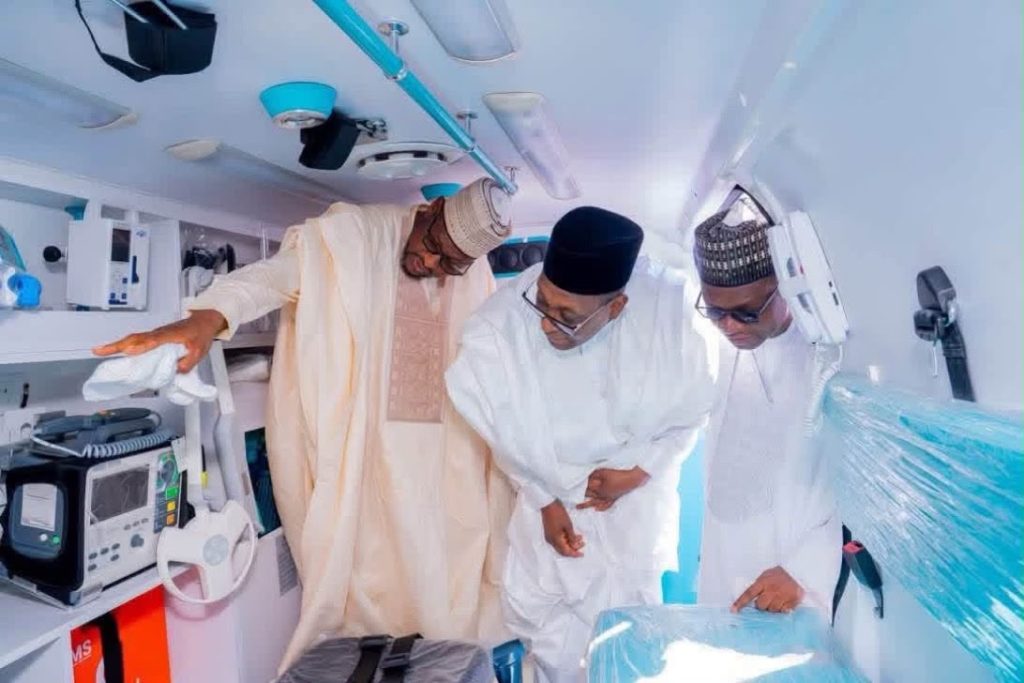
Pate said the initiative forms part of the State Emergency Medical Services and Ambulance System (SEMSAS), designed to connect communities and local governments with emergency medical services and appropriate healthcare facilities.
The minister said the intervention aligns with President Tinubu’s Renewed Hope Agenda and the Nigeria Health Sector Renewal Investment Initiative, which brings together federal and state governments, the FCT and development partners to strengthen healthcare delivery.
Another major component of the intervention is the newly upgraded General Hospital, Charanchi, renovated at a reported cost of ₦2.059 billion.
According to the state government, the hospital has been equipped to provide diagnostic, medical, surgical, maternity and emergency services to residents of Charanchi and surrounding communities.
Governor Radda said the facility is the fourth of six secondary healthcare facilities being established by his administration, with other projects expected to be completed before the end of 2026.
The administration also says it has renovated and revitalised more than 280 comprehensive and primary healthcare centres across Katsina. In addition, 804 personnel have been recruited for secondary healthcare facilities over the past three years, while about 3,000 workers have been recruited for primary healthcare.
Health insurance coverage has also expanded. Pate said enrolment increased from approximately 350,000 people in 2023 to nearly 600,000 in 2026, while more than 184,000 new beneficiaries have been enrolled across the state’s 361 wards through the Basic Health Care Provision Fund.
The launch represents a significant investment in Katsina’s healthcare infrastructure, particularly because emergency transportation can determine whether patients — especially pregnant women, accident victims and people living in remote communities — reach medical care in time.
The bigger test, however, will be implementation: Will the ambulances remain operational, properly staffed, fuelled and maintained, and will rural residents actually be able to access them quickly during emergencies?
That will ultimately determine whether the investment translates from newly commissioned vehicles and buildings into lives saved across Katsina State.