Trending
The Federal Government of Nigeria has announced plans to begin phasing out electricity subsidies from 2027, as part of reforms aimed at addressing the huge financial liabilities in the country’s power sector and creating a more commercially sustainable electricity market.
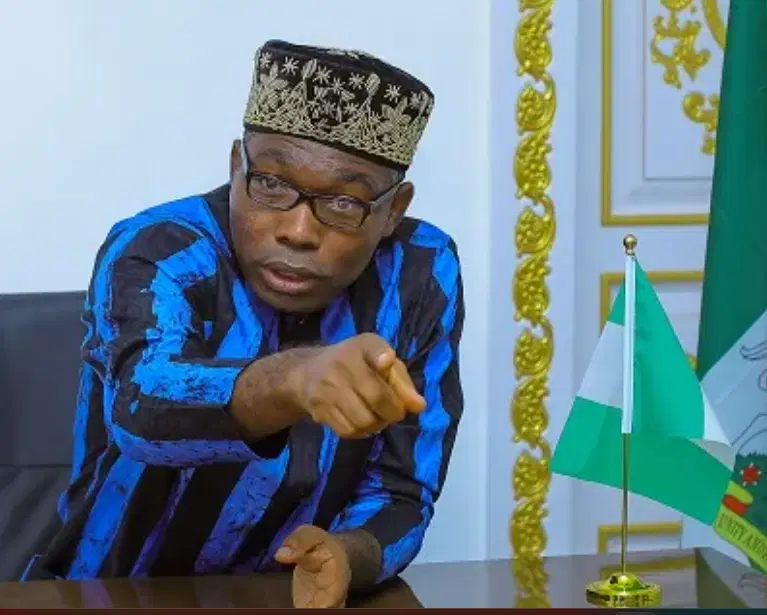
Minister of Power Joseph Tegbe disclosed the plan during a media engagement, explaining that the government intends to gradually withdraw subsidy payments while tackling legacy debts that have accumulated across the electricity value chain.
“By God’s grace, next year, we will put a stop to this so-called subsidy in the power sector,” Tegbe said.
The minister said President Bola Ahmed Tinubu had given the government a mandate to address outstanding power-sector debts and establish a structure that prevents fresh liabilities from accumulating.
The announcement is significant because electricity subsidies have become a major financial commitment for the Federal Government. Government figures indicate that about ₦3.14 trillion was spent on electricity subsidies between June 2023 and December 2025, including approximately ₦1.48 trillion in 2024 and ₦1.47 trillion in 2025.
However, Tegbe stressed that the planned subsidy phase-out does not mean an immediate increase in electricity tariffs.
“There is no policy by this administration to increase electricity tariffs beyond their current level in the meantime,” the minister said, adding that the government’s immediate priorities are improved electricity supply, universal access and ensuring consumers pay for the power they actually consume.
The government also says it intends to protect low-income and vulnerable consumers as the reforms progress. Tegbe acknowledged that some Nigerians cannot afford fully cost-reflective electricity charges and said mechanisms would be developed to continue providing protection for such households.
The planned subsidy withdrawal comes amid efforts to deal with substantial debts owed across the electricity industry. Tegbe said the administration is working on clearing legacy obligations while establishing sustainable funding arrangements that would prevent another build-up of unpaid bills.
The policy could have major implications for Nigerian households and businesses. Electricity subsidies currently cover part of the difference between the actual cost of supplying power and what some consumers are charged. How that gap is treated after the phase-out will therefore be important in determining the eventual impact on electricity bills.
For now, the government has not announced a new tariff for 2027, and the minister has explicitly ruled out an immediate tariff increase. The details of how quickly subsidies will be withdrawn, which customer categories will be affected and how vulnerable consumers will be protected will be critical as implementation approaches.