Trending
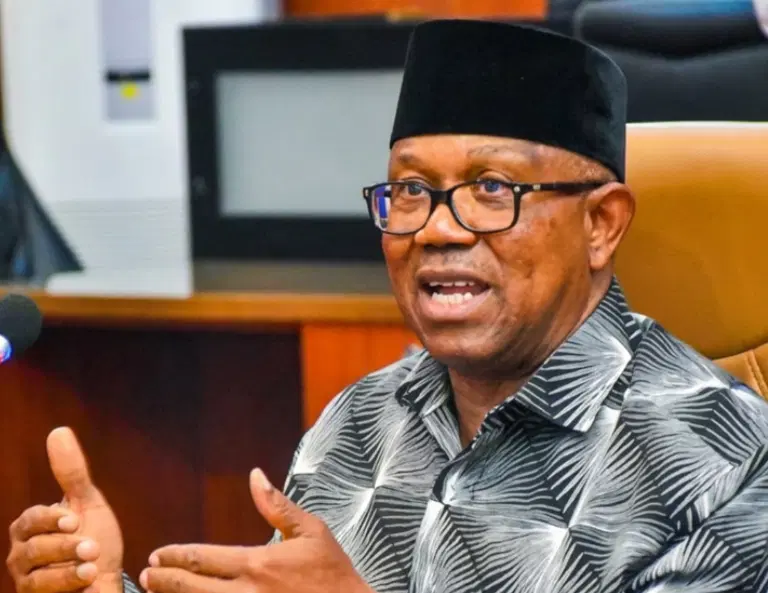
The presidential candidate of the Nigeria Democratic Congress (NDC), Peter Obi, has pledged to restore petroleum subsidy if elected president in 2027, but says his administration would first tackle the corruption and leakages he associates with the previous subsidy system.
Obi made the declaration at a town hall meeting organised for the Obi–Kwankwaso presidential ticket in Sokoto, where he presented corruption as a central obstacle to Nigeria’s economic development.
“People are talking about subsidy but what is all about it is corruption. By removing the corruption, I assure you that we will bring back subsidy,” Obi said.
His latest position is notable because in August 2026, at the Nigerian Bar Association conference in Port Harcourt, Obi reiterated support for removing petrol subsidy, arguing that mismanagement of the savings from its removal was not sufficient reason to retain the old system.
At the Sokoto event, however, Obi proposed a subsidy framework that he said would operate after corruption had been addressed. A separate report on his remarks says he promised a transparent system for monitoring crude production, transactions, imports, exports and government revenues.
The proposal follows comments by his running mate, Rabiu Kwankwaso, who said the NDC would introduce subsidy “in our own way” if elected, while pointing to increased domestic refining as one avenue for reducing fuel costs.
Important details remain unspecified, including the projected annual cost, whether the subsidy would apply universally or be targeted, the proposed pump-price mechanism, and how the government would prevent the fraud and leakages associated with the previous system.
Beyond fuel prices, Obi told the Sokoto gathering that an NDC administration would prioritise unity, security and education. He also pledged to connect Nigeria’s state capitals by rail as part of efforts to stimulate economic activity.
The announcement puts fuel subsidy policy firmly back into the 2027 campaign debate and raises a central policy question: how would a restored subsidy be financed and structured without recreating the fiscal and governance problems associated with the previous regime?