Trending
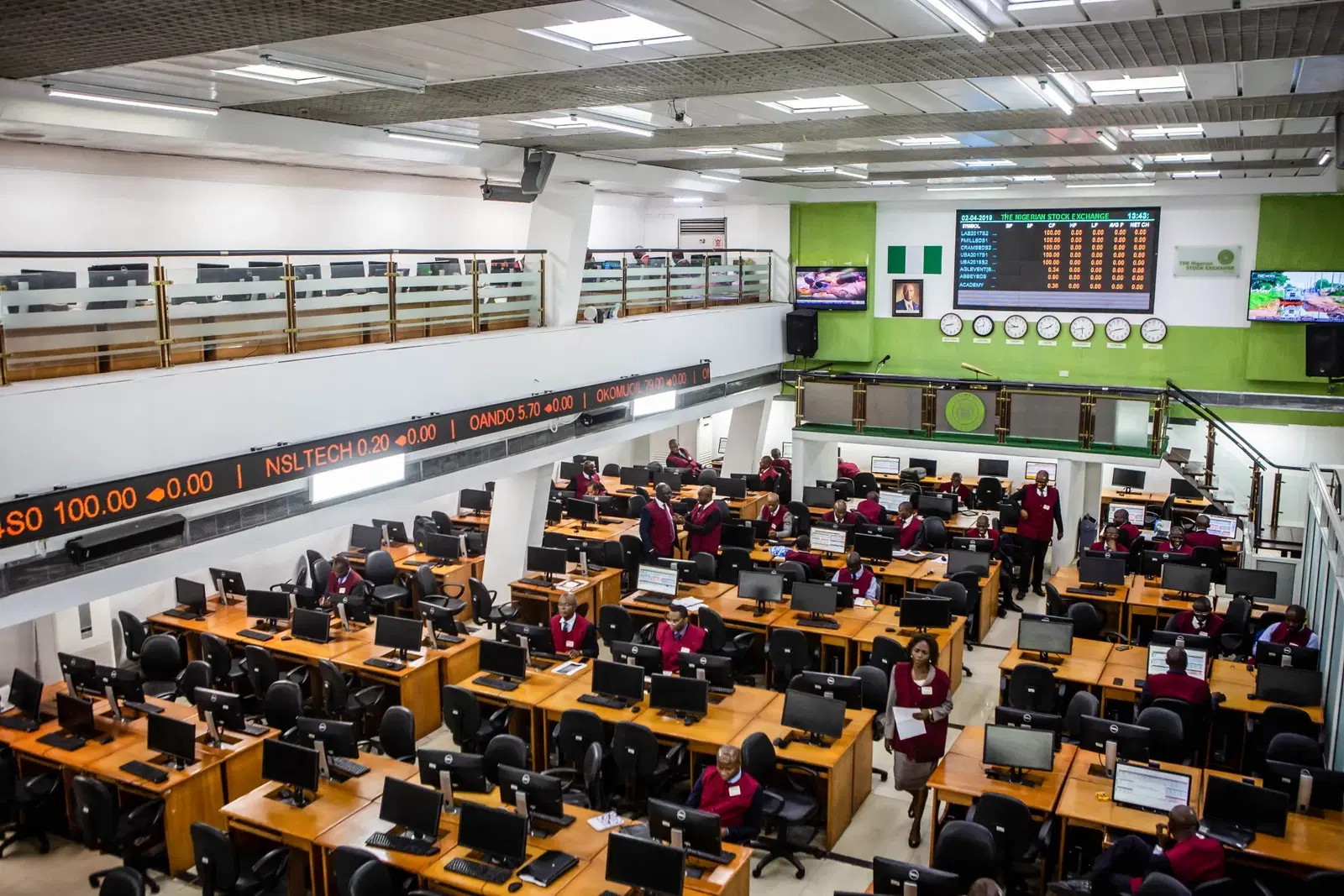
Concerns are mounting over potential job losses in Nigeria as 22 major companies grapple with a combined debt burden estimated at ₦3.9 trillion, raising questions about their ability to sustain operations, investment and employment.
The debt exposure comes at a difficult time for businesses operating in Nigeria, where companies have faced elevated borrowing costs, energy expenses, exchange-rate pressures and weaker consumer purchasing power.
For highly leveraged companies, a substantial portion of revenue can be consumed by interest payments and other financing costs. This can reduce the funds available for expansion, equipment purchases, salaries and other operational requirements.
The implications could extend beyond the companies themselves. Large businesses often support extensive networks of employees, contractors, distributors and suppliers, meaning severe financial pressure on major firms can have consequences across their wider value chains.
The threat of job losses is particularly significant at a time when households are already dealing with cost-of-living pressures.
Nigeria’s recent monetary-policy shift could, however, become an important factor. The Central Bank of Nigeria reduced its benchmark Monetary Policy Rate to 23 per cent in September 2026, potentially creating room for borrowing costs to moderate if lower policy rates eventually translate into cheaper commercial credit.
That process is not automatic. Companies with significant existing debt could continue to face substantial financing costs depending on the terms of their loans, refinancing arrangements and lenders’ assessment of risk.
The situation therefore raises broader questions about the financial health of Nigeria’s corporate sector and whether heavily indebted companies can restructure their obligations without significantly reducing their workforce or investment.
Attention will now focus on the affected companies’ financial results, debt-servicing capacity and any restructuring measures they undertake as investors and workers assess the potential impact of the ₦3.9 trillion exposure.